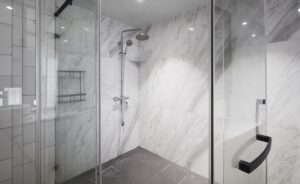
If the walls around your tub or shower are stained, dated, difficult to clean, or simply no longer match the bathroom you want, replacing them can make a surprisingly big difference. That’s where a bathroom surround comes in.
But what is a bathroom surround, exactly? In simple terms, it’s the finished wall system that covers the area around a bathtub or shower. While it plays a major role in how the bathing area looks, it also has a practical job: creating a surface designed to stand up to regular exposure to water, steam, soap, and everyday cleaning.
That makes the surround more important than it may seem at first. The material you choose can affect how often you’re scrubbing grout, how the shower or tub looks years from now, how much design flexibility you have, and even how involved the remodeling process becomes.
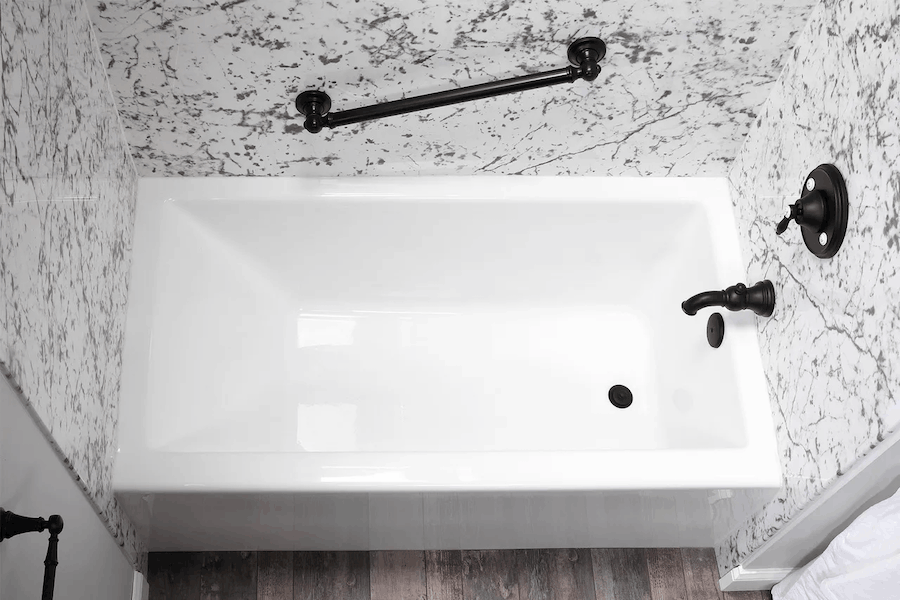
At Bath Planet of Eastern Michigan, we help homeowners replace worn, hard-to-maintain bathing areas with durable, attractive remodeling solutions. Whether you’re updating a shower, replacing a tub, or planning a more complete bathroom remodel, the wall system is one of the decisions that can shape both the look and day-to-day experience of the finished space.
Call us at 810-243-1077 or contact us online to schedule a consultation, or keep reading to learn how bathroom surrounds work, how materials compare, and what to consider before choosing one for your home.
What Is a Bathroom Surround?
A bathroom surround is the finished wall system installed around a bathtub or shower. It covers the walls in the wet area and serves both a practical and decorative purpose.
Its main jobs are to:
- Create a water-resistant surface around the tub or shower
- Help protect the wall assembly behind it from repeated splashing and moisture
- Provide a durable surface that can handle regular cleaning
- Define the look of the bathing area through color, pattern, texture, and finish
Surrounds can be made from acrylic panels, fiberglass, solid-surface materials, cultured stone, ceramic tile, porcelain tile, and other materials designed for wet areas.
The surround itself isn’t the only part responsible for moisture protection. Proper installation, sealed joints, the condition of the wall behind it, and any underlying waterproofing also matter. But as the finished surface is exposed to water every day, the surround plays an important role in keeping the bathing area functional, easy to maintain, and visually finished.
What Does a Bathroom Surround Do?
A bathroom surround does more than cover the walls around your tub or shower. It helps create a surface that can stand up to frequent moisture while also setting the visual tone for the entire bathing area.
It Helps Protect the Wet Area
Showers and tubs expose nearby walls to water, steam, soap, and humidity regularly. A properly installed surround provides a finished surface designed for that environment and helps keep repeated moisture from reaching more vulnerable wall materials behind it.
That protection depends on more than the visible panels alone. Sealed joints, plumbing penetrations, ventilation, proper installation, and the condition of the wall assembly all play a role.
The EPA notes that moisture control is an important part of preventing mold growth, which is why leaks, failed seals, and other water issues should be addressed rather than simply covered up.
It Defines the Look of the Bathing Area
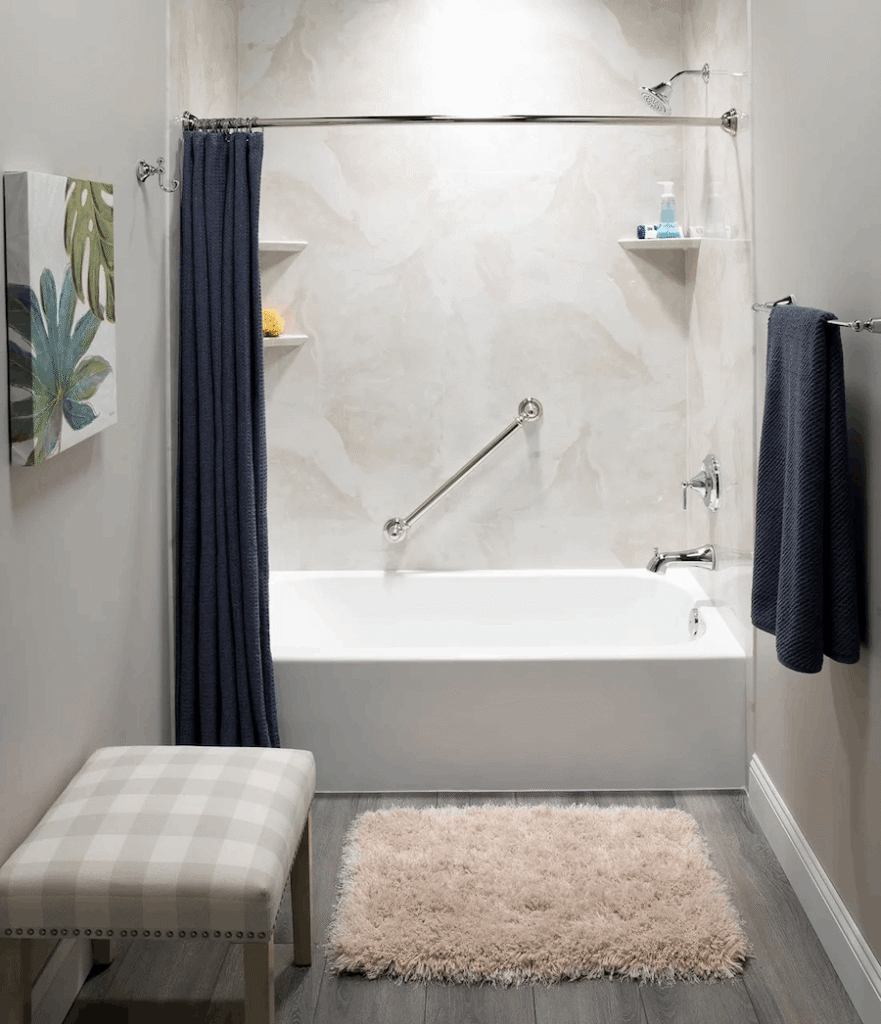
Because the surround covers such a large portion of the tub or shower area, it has a major influence on how the bathroom looks and feels.
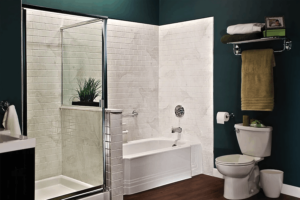
Depending on the material and product line, you may be able to choose from:
- Solid colors
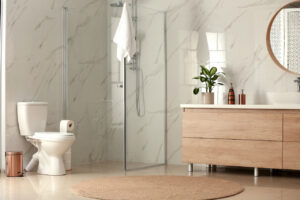
- Marble-inspired patterns
- Stone-look finishes
- Tile-style designs
- Textured surfaces
- Coordinating shelves and accessories
That gives homeowners a lot of flexibility. A new surround can make an older tub or shower feel cleaner, brighter, and more current without requiring a complete change to the bathroom layout.
In other words, the surround has both a practical and visual job: it helps the wet area perform better while giving the space a finished, cohesive look.
What Are Bathroom Surrounds Made Of?
There’s no single material that works for every bathroom. The best choice depends on your priorities for maintenance, appearance, durability, installation, and budget.
Acrylic
Acrylic is a popular choice for tub and shower surrounds because it’s smooth, nonporous, and relatively easy to maintain.
It’s available in a wide range of colors, patterns, and finishes, including options designed to resemble stone or tile without traditional grout lines across the wall surface.
For homeowners who want a clean look with simpler upkeep, acrylic can be an appealing option.
Fiberglass
Fiberglass surrounds are common in builder-grade bathrooms and prefabricated shower units.
They’re generally lightweight and often more budget-friendly, but quality and appearance can vary. Over time, older fiberglass may show discoloration, scratches, cracking, or other signs of wear.
If your existing surround has deteriorated, a shower replacement can be an opportunity to update both the wall system and the rest of the bathing area.
Tile
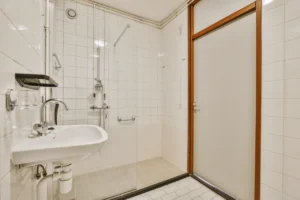
Ceramic and porcelain tile offer extensive design flexibility. You can mix colors, shapes, sizes, and layouts to create a highly customized look.
The trade-off is maintenance. Tile installations include grout joints, which can require more detailed cleaning over time.
It’s also important to remember that tile and grout aren’t the entire waterproofing system. The materials and installation methods behind the finished surface are just as important for managing moisture.
Solid-Surface and Composite Panels
Solid-surface, composite, and cultured-stone panels can provide a substantial, finished look with fewer joints than traditional tile.
These products vary widely in weight, construction, cost, and appearance, so it’s worth comparing specific materials rather than assuming all panel systems perform the same way.
Once you’ve narrowed down the material options, the next step is comparing how they differ in day-to-day use, especially when it comes to cleaning, maintenance, and installation.
Are Bathroom Surrounds Easier to Clean Than Tile?
For many homeowners, easier maintenance is one of the biggest reasons to choose a panel surround.
Large acrylic panels have far fewer joints than traditional tile, which means there are fewer grout lines to scrub. Their smooth, nonporous surfaces also make routine cleaning more straightforward.
You’ll still need to remove everyday buildup such as:
- Soap residue
- Hard-water spots
- Shampoo and conditioner
- Body oils
- Mineral deposits
The products you use matter, too. Abrasive cleaners and scouring pads can damage some finishes, so it’s best to follow the manufacturer’s care instructions.
If low maintenance is a priority, the amount of grout and the type of surface are worth comparing before you choose a surround.
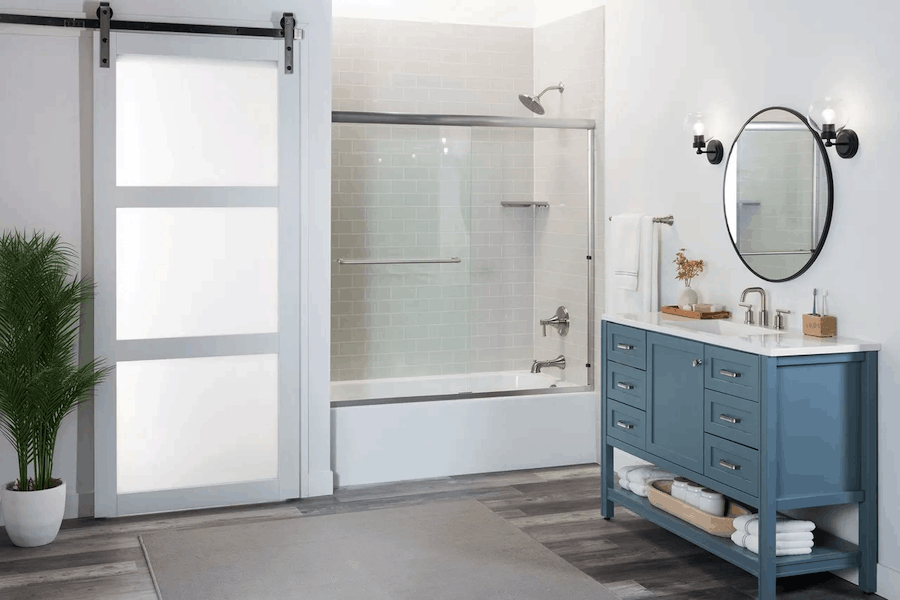
How Do You Choose the Right Bathroom Surround?
Once you’ve decided it’s time for an update, don’t choose a surround based on color alone. Think about how it will look, perform, and fit into your daily routine.
Consider:
- Maintenance: How much cleaning do you want to do?
- Durability: How well will the material stand up to regular use and cleaning?
- Style: Do you prefer smooth walls, stone-inspired finishes, or a tile look?
- Existing conditions: Will the old wall surface need removal or repair first?
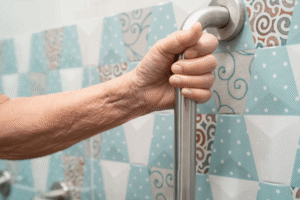
- Accessories: Do you want shelves, grab bars, seating, or other features built into the design?
- Installation: How much disruption are you comfortable with?
- Warranty: What coverage comes with the material and installation?
The best surround is one that balances appearance with the practical details that matter every day. Looking at maintenance, durability, installation, and design together can help you choose a wall system you’ll still be happy with years after the remodel is complete.
Why Homeowners Choose Bath Planet of Eastern Michigan
A bathroom surround has to do more than look good. It needs to fit the space correctly, stand up to daily use, and work with the tub or shower as a complete system.
At Bath Planet of Eastern Michigan, we specialize in wet-area bathroom remodeling and help homeowners choose options that balance style, durability, comfort, and maintenance.
Depending on your project, you may benefit from:
- Durable Bath Planet acrylic products designed for bathroom use
- Multiple wall colors, patterns, and finishes
- Low-maintenance, nonporous surfaces
- Certified Bath Planet installers who are company employees
- Installation in as little as one day for qualifying projects
- Limited lifetime warranties on Bath Planet tubs and showers
Whether you’re updating the walls around an existing bathing area or planning a larger bathroom remodeling project, we’ll help you consider the entire space rather than treating the surround as an isolated design choice.
Give Your Tub or Shower a Better Surround
So, what is a bathroom surround? It’s the finished wall system around your tub or shower, but its value goes well beyond appearance. The right surround can make the bathing area easier to clean, better suited to daily moisture exposure, and more in line with the style you want for your bathroom.
If your current surround is cracked, stained, dated, or simply taking more effort to maintain than you’d like, replacing it can be a practical way to refresh the space without necessarily changing the entire bathroom layout.
At Bath Planet of Eastern Michigan, we can help you compare wall styles, tub and shower options, accessories, and remodeling solutions that fit both your bathroom and the way you use it.
Call 810-243-1077 today or contact us online to schedule your free in-home consultation and start planning a bathing space that’s easier to maintain, more comfortable to use, and better suited to your home.
FAQ: What is a Bathroom Surround
What is the purpose of a bathroom surround?
A bathroom surround creates the finished wall surface around a tub or shower. It helps manage regular moisture exposure, protects the wall area behind it, and contributes to the overall look of the bathing space.
What is the best material for a bathroom surround?
The best material depends on your priorities. Acrylic is popular for its smooth, low-maintenance surface, while tile offers greater design flexibility. Fiberglass, solid-surface, and composite panels are also common options.
Is a bathroom surround waterproof?
A bathroom surround is designed for wet areas, but the visible wall surface is only part of the moisture-management system. Proper installation, sealed joints, plumbing penetrations, backing materials, and any required waterproofing behind the finished surface also matter.
Is a tub surround cheaper than tile?
Costs vary based on the material, bathroom size, installation method, labor, and existing wall conditions. Panel surrounds can sometimes be less labor-intensive to install than individually set tile, but the total project price depends on the specific products and scope of work.
Can you install a new surround over an old one?
In some cases, yes. Certain remodeling systems can be installed over existing surfaces if the area is structurally sound and properly prepared. Damage, leaks, loose materials, or moisture problems should be repaired before a new surround is installed.
How long does a bathroom surround last?
Lifespan depends on the material, installation quality, cleaning habits, moisture control, and daily use. A well-installed and properly maintained surround can last for many years.
Are acrylic bathroom surrounds easier to clean than tile?
They often are. Acrylic panels typically have fewer joints and no traditional grout grid, which can make routine cleaning simpler. Tile usually requires more attention to grout lines over time.
Can you customize a bathroom surround?
Yes. Many surround systems are available in different colors, patterns, textures, and finishes. Depending on the product, you may also be able to add shelves, grab bars, seating, or other accessories to the bathing area.